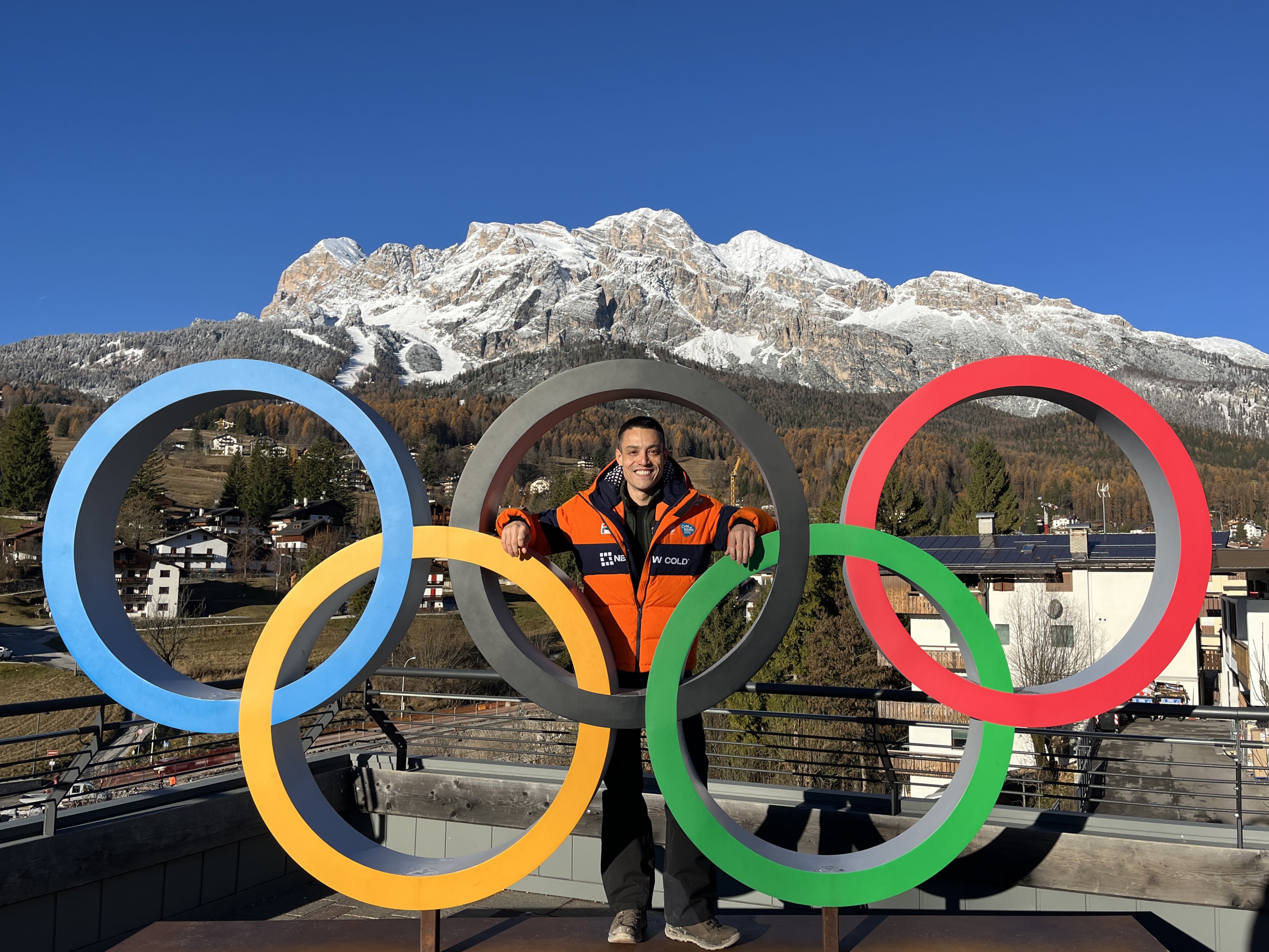
Mind over medals
How Paul Postema coaches others to reach their peak performance
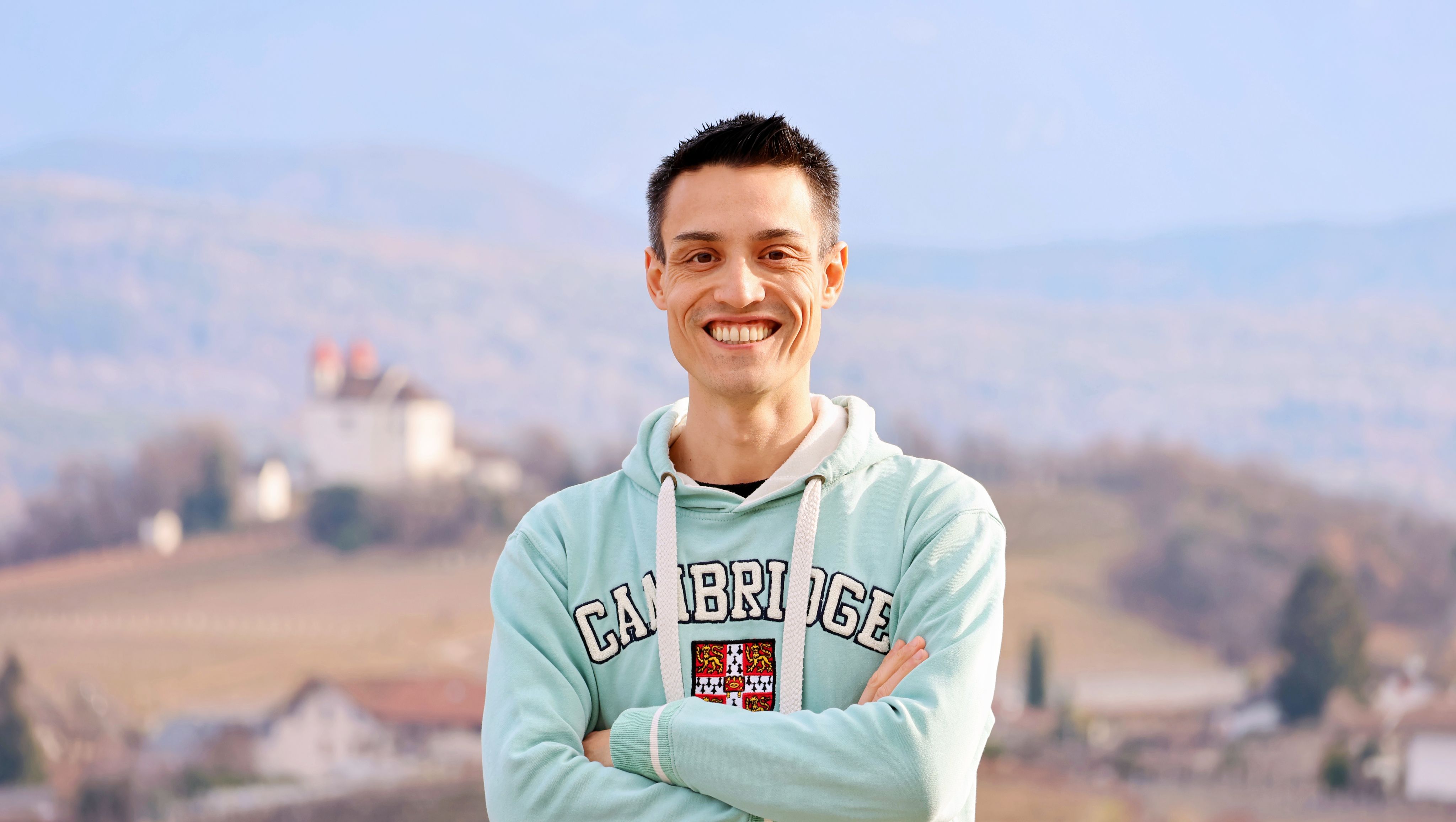

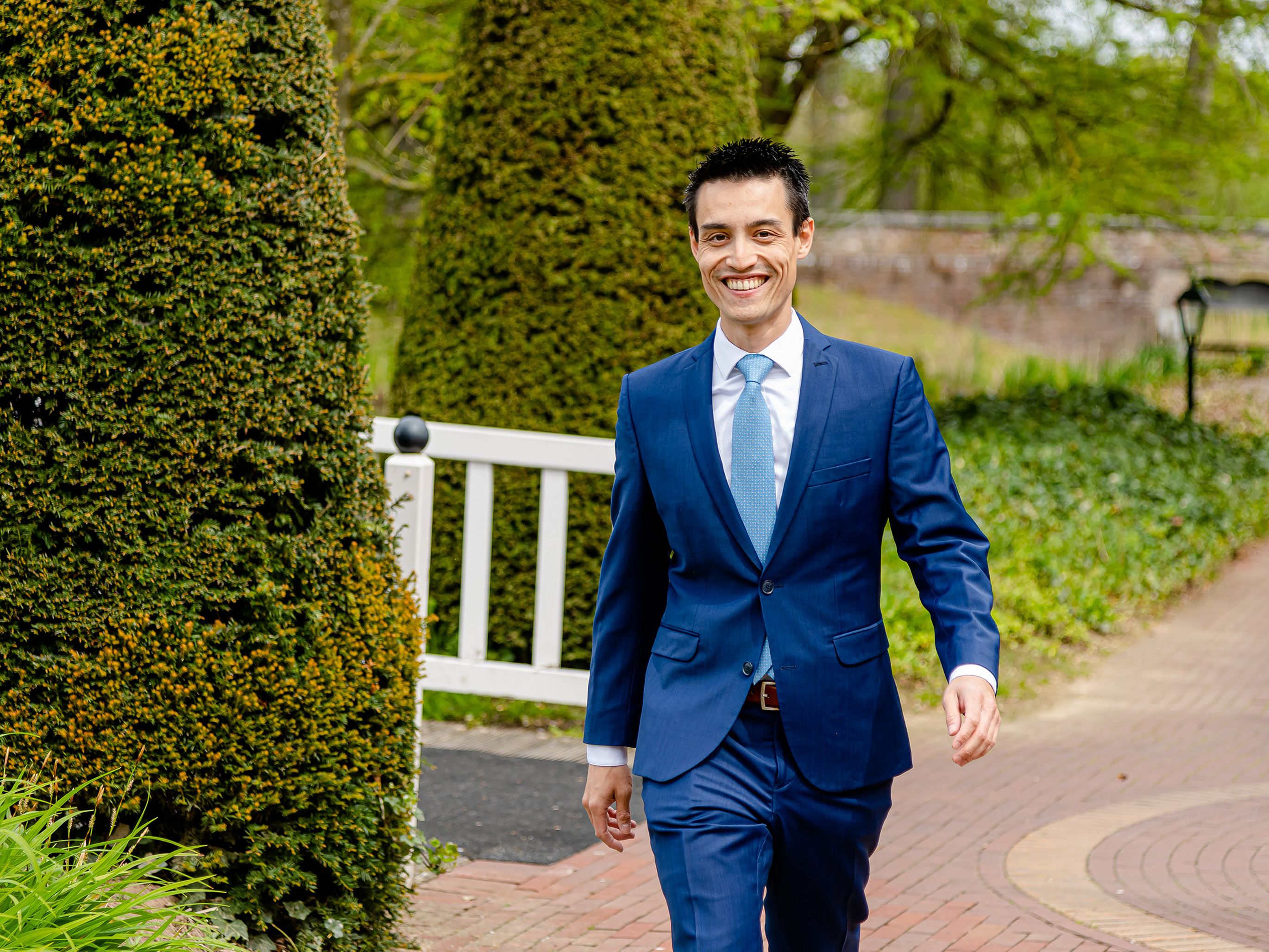
Paul Postema (PACE 2025) coaches Olympic-level athletes. Beginning his career as a police officer and then as a human resources consultant, he's built a strong resume of working with others to achieve professional and personal success.
In tandem, Paul coached athletes to thrive, focusing on the mental aspect of sports. He came to Cambridge's Professional and Continuing Education (PACE) to build on his coaching skills and knowledge to help others achieve success at the Winter Olympics and beyond.
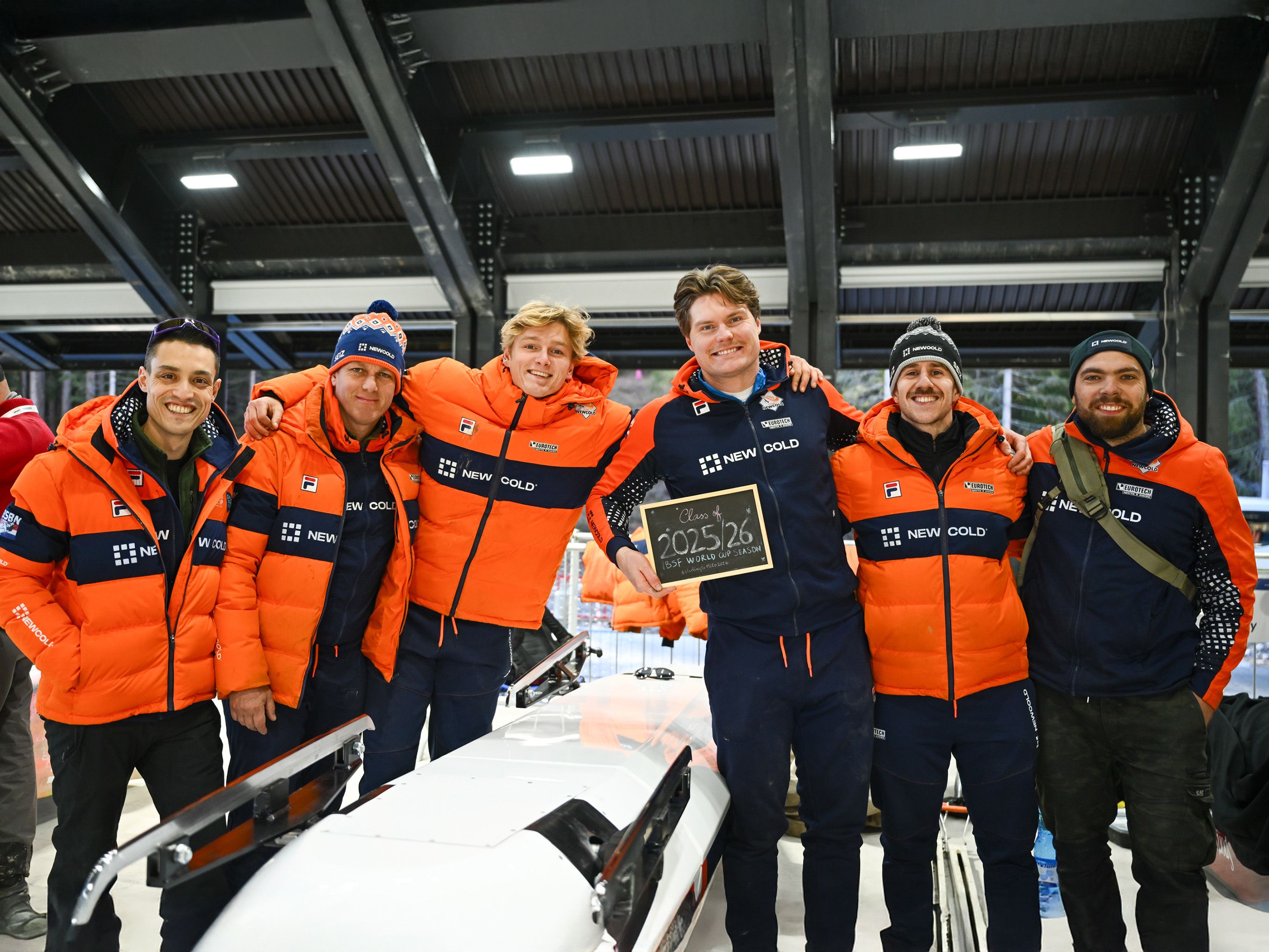
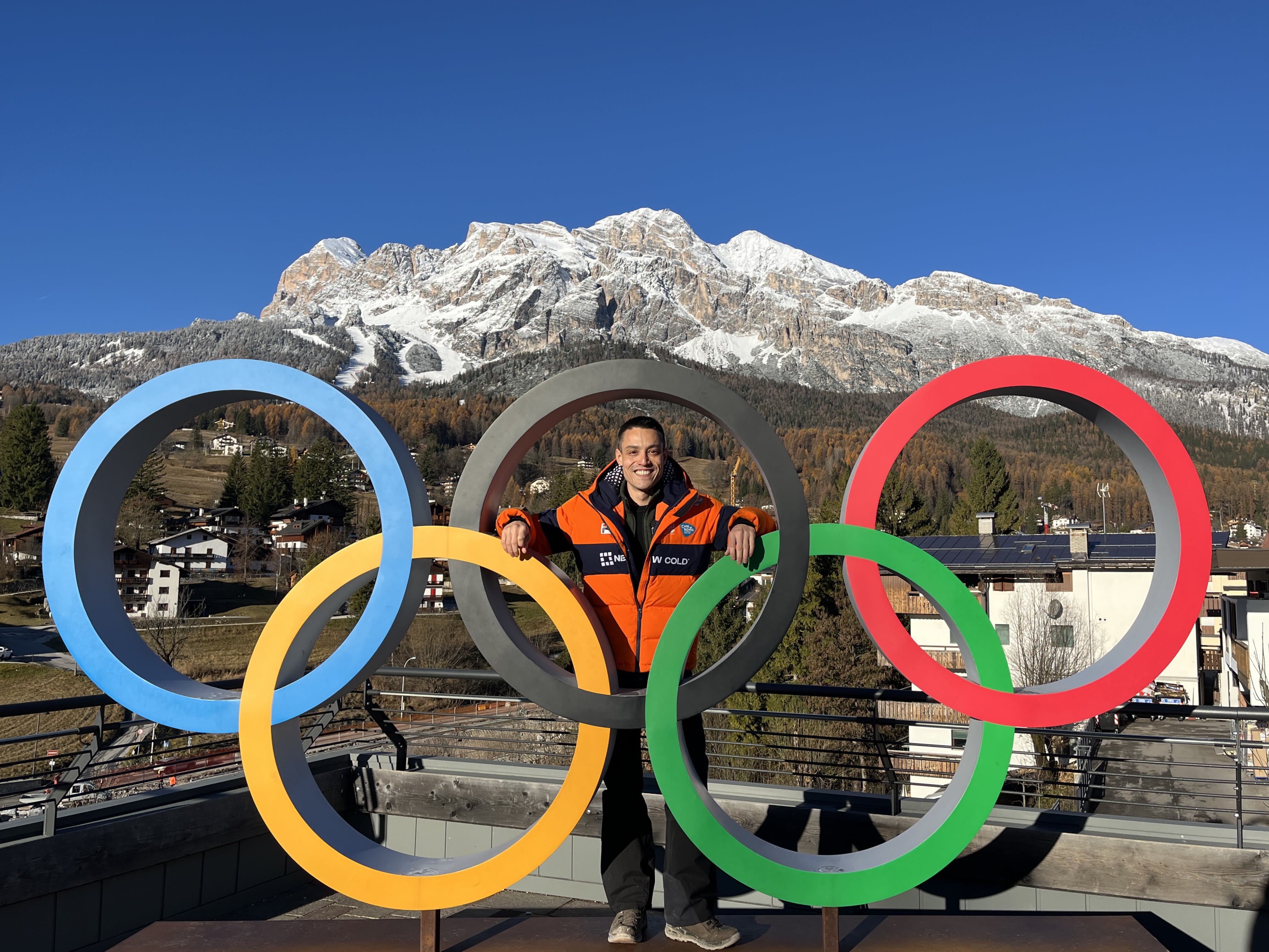
Now, he's a mental performance coach for the Dutch Olympic Bobsleigh Team, which is currently in Cortina for the Winter Olympics. We caught up with Paul to hear how he got to the top of his game and his advice for others interested in this sector.
Tell us a bit about yourself: your background, life, and what you’re up to now. How did you get into your chosen career?
I’m 36 years old, I’m American and Dutch, and I currently live in Italy. I started my career as a police officer. After four years, I transitioned to the ambulance services and did that for another two years. I had to move within the Netherlands and find another job. That’s where my career in HR consulting started.
Simultaneously, I was a coach for national and Olympic field hockey teams. Over the years, I changed my work more towards the mental aspect of the game, and also extended my mental performance coaching services to other sports.
In 2021, I started an MBA, and I saw the opportunity to diversify: my MBA peers might also be interested in performance coaching. That’s when the corporate side of my coaching practice started.
For over 17 years now, I have been supporting Olympic athletes in achieving their goals, and for over 5 years, I’ve been doing the same for executives and high-performers.
I wanted to strengthen my coaching skills and knowledge about psychological approaches to coaching. I found the Certificate in Coaching at Cambridge PACE and it was the perfect addition to my resume and knowledge.
Currently, I work with executives and high-performers worldwide to apply the latest evidence-based performance science. Daily, I track over 50 academic journals to read and learn about the latest research findings in psychology, performance science, coaching, and business, so that my clients have a competitive edge in their personal performance.
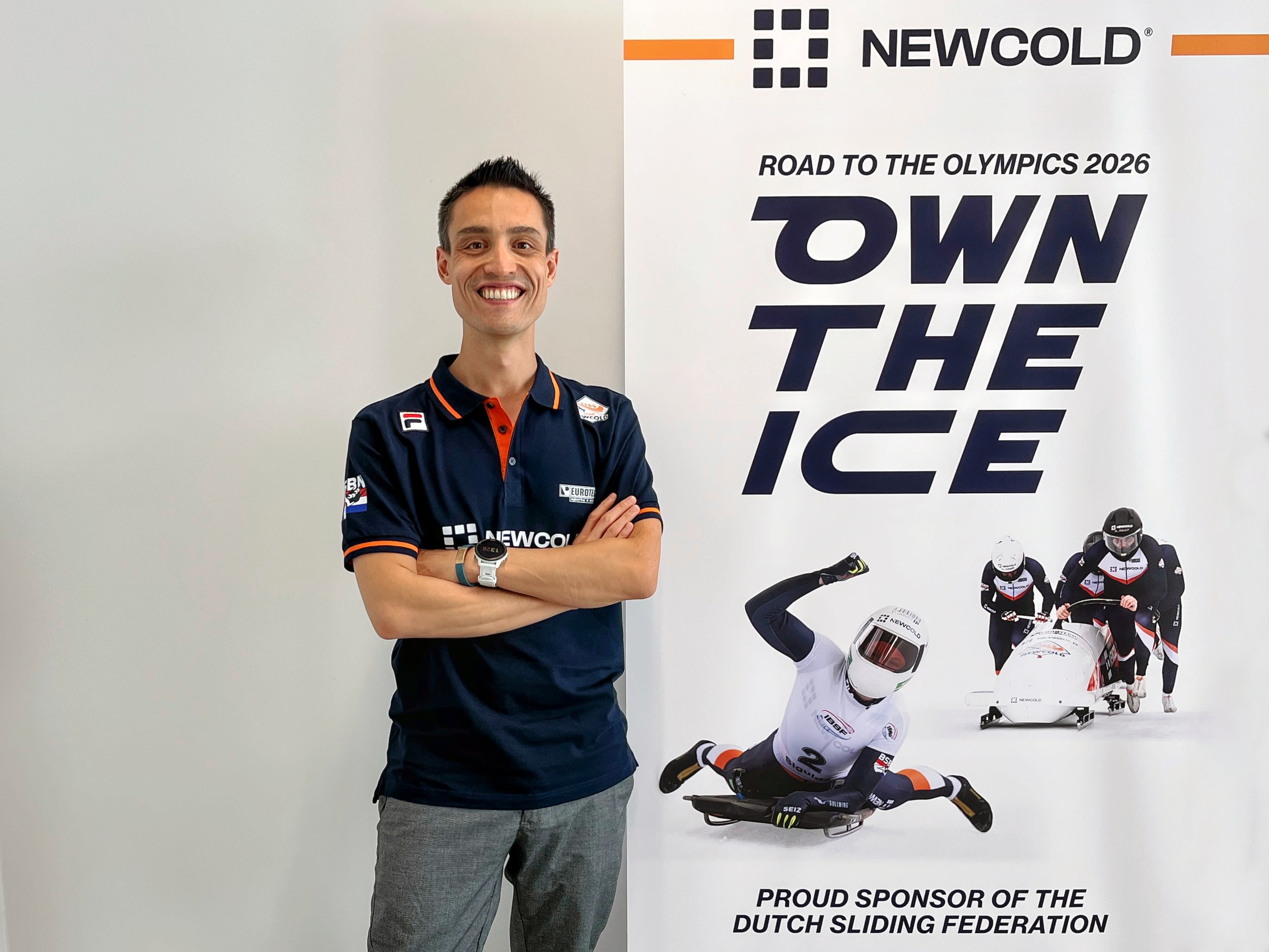
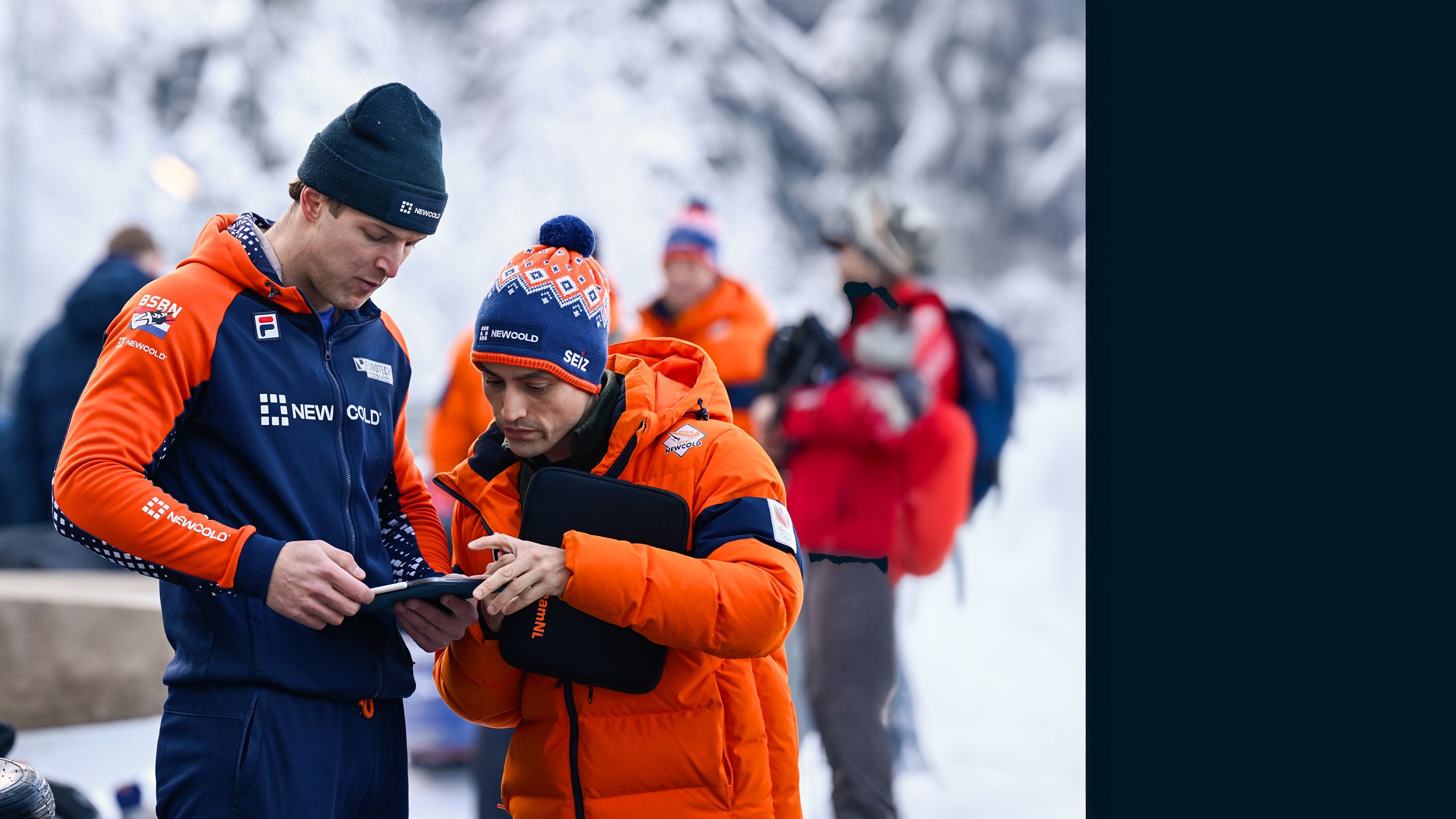
In addition, I’m the Mental Performance Coach for the Dutch Olympic Bobsleigh Team, which is currently in Cortina for the Winter Olympics, and for a top-100 squash player.

Do you see any similarities between consultancy and coaching?
In both consultancy and coaching, you work with people. Yes, some consulting projects have fewer people than on other projects, but generally, you are in contact with people.
A key transferable skill is clear communication.
This includes remembering names, paying attention, showing a real interest, listening to understand instead of replying quickly, showing empathy, and treating people with respect.
These skills help you work better with others and remain useful across different roles and careers.

Why did you choose Cambridge?
The key factors for choosing Cambridge are academic reputation and clear focus on evidence-based coaching. Rather than simply relying upon useful tools, I wanted to develop my coaching practice further, built on solid psychological approaches.
Going to Cambridge also opens doors worldwide.
I enjoy university programmes with lots of academic rigour and I also found that in the Cambridge Coaching programme. Instead of just learning useful tools, I wanted to learn more about evidence-based coaching approaches. I definitely found that in the course.
How has PACE boosted your career?
In terms of knowledge, PACE gave me a solid base in psychological coaching approaches.
The course also motivated me to look further than the course itself and specialise my coaching practice based on what I was introduced to in the course.
At the same time, the Cambridge name carries credibility, which grants access. Having studied at Cambridge and being a Cambridge alum is a career booster in itself.
Is there anything you’ve taken with you from Cambridge?
I really enjoyed my time at Cambridge. The academic team had lots of subject knowledge, and I took something useful away from every lesson. The teachers are very hands-on and promote active discussions. This way, everyone was involved.
These discussions also ensured that everyone got to know each other on a deeper level, instead of being “just classmates”.
The assignments were challenging and ensured that learning continued outside of the classes.
During the course, you really get to know yourself, reflect on your strengths, but also your weaknesses and opportunities to grow. From there, you start to improve your performance.
Consequently, I came out a better coach, with a much stronger coaching practice.


What advice would you give to recent graduates?
Be bold. If your target company does not have any openings, just send someone from that company an email and ask for a meeting.
Those who ask tend to receive things. If you only hope and don’t ask, you are likely not going to get it.
Ask yourself: What is the worst that can happen if I send the CEO of this company an email with my CV?
Then ask: What is the best that can happen?
And finally ask: What is most likely going to happen?
And then be bold: send that email.


What advice would you give to Cambridge alumni looking to change careers?
It is important to know your skills and know that these skills can be used in another workplace.
I advise career change seekers to do a VIA Character strength test, find out their signature strengths, and start reflecting on whether you are using your signature strengths in your current job, and how you can use them in your next job.
If you find a job that leverages these signature strengths, you will likely be happy in that position, and your overall well-being will increase.
What are the qualities of a good mentor?
Good mentors have an excellent ability to listen, show empathy, have a true interest in others, and a genuine desire to help them grow.
Changes typically require time to implement; you need commitment and resilience.
It's important to positively motivate and challenge your mentee. Good mentors possess the ability to analyse and reflect on past events, understand the behaviour of others, and help develop evidence-based strategies.
What advantages come from working with a coach?
Coaching is a discovery process: you will learn new things about yourself, your situation, your work, your life, and more.
Through guided discovery, we identify goals, develop plans for reaching those goals, and establish measures of success. This provides clarity, focus and direction.
If you wish to improve in any aspect of your life, coaching supports you in achieving your goals without being told what to do. You can discover the best options for you, increasing intrinsic motivation and being responsible for your own results.
How are you feeling during the Winter Olympics?
I am very excited. We have been preparing for this high-pressure moment for a long time and it is rewarding to see everything come together.
To keep myself calm, I focus on my daily wellbeing.
Every day, I will walk for 20 minutes to clear my mind, and I write three things down that went well each night. This helps me to stay grounded and progress forward.