
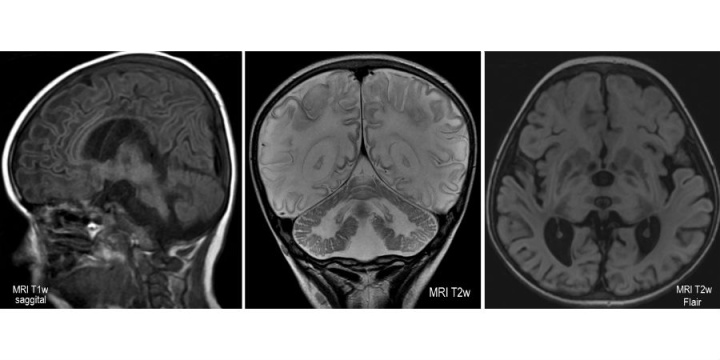
Tay-Sachs disease is a notorious killer which has been known for about 140 years. Although it is inherited, the child is born completely normal and it is only after a few months that something wrong is noted. The child becomes floppy and passive, sight is impaired and eventually convulsions or seizures (fits) occur. Alarmingly, there is a rapid loss of all faculties, so the baby cannot even feed itself and often chokes. Without the help of a feeding tube, babies with Tay-Sachs disease often die in the first year or two of life.
By introducing a normal copy of the affected gene (to supplement the activity of the genes that are slightly altered and inherited from carrier parents) into parts of the brain, we can have a widespread effect in correcting the abnormalities. Indeed, in experimental systems, if this gene therapy is given before serious manifestations have occurred, life is prolonged and neurological function is preserved.
Next steps
You can support Tay-Sachs disease research at Cambridge by donating online, leaving a legacy in your Will, or to discuss your philanthropic goals, please contact:
Make a gift now
Make a gift now to support by credit or debit card, or set up a direct debit:
Give nowAssociate Director, Cambridge University Health Partners
- Harriet Aspin
- harriet.aspin@admin.cam.ac.uk