Professor David Edwards discussed how the core drivers of the global extinction crisis – land-use change and overexploitation – impact biodiversity across scales and, in turn, how to secure biodiversity and wood-related ecosystem services in a changing world.
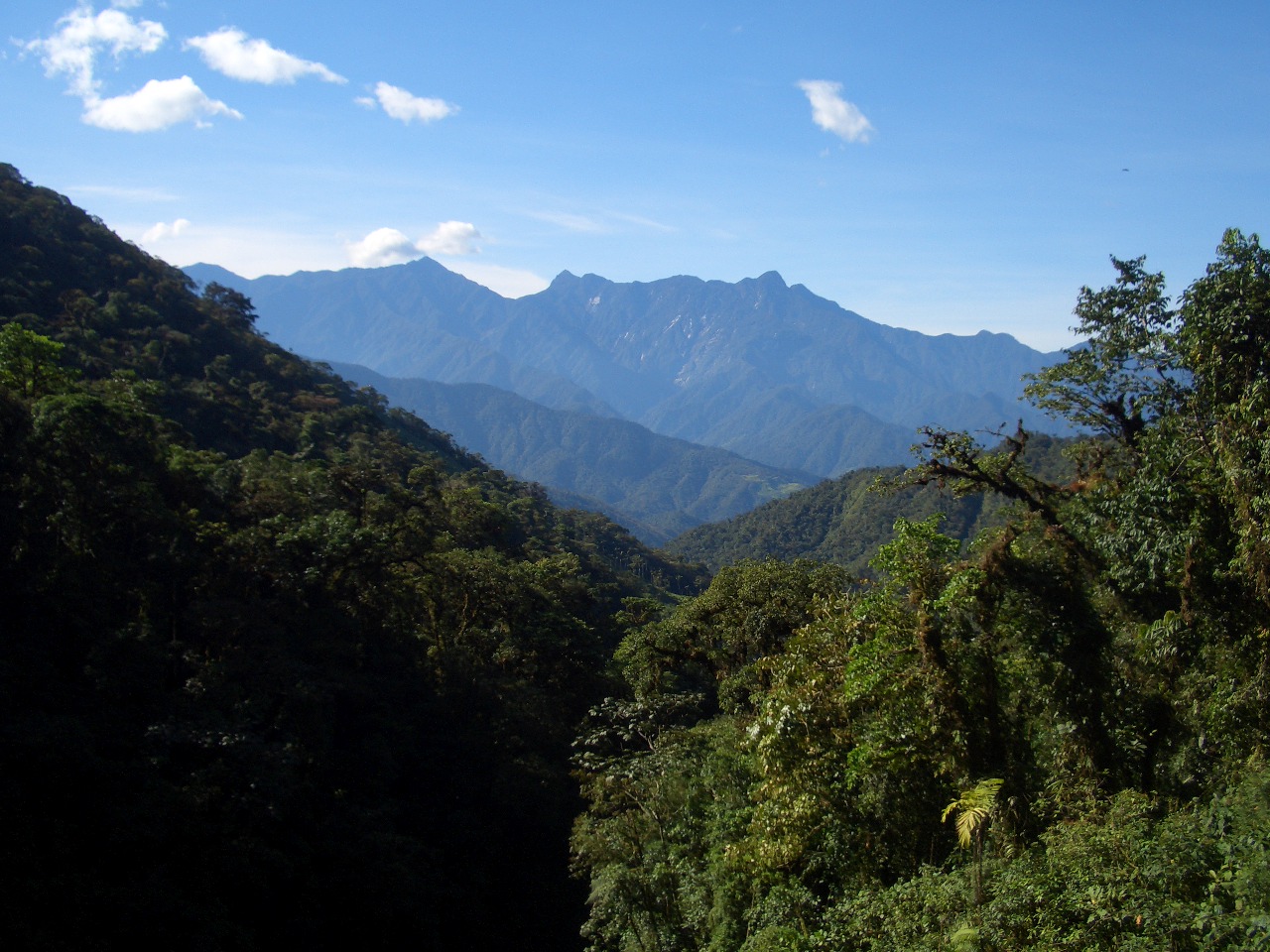
He first spoke about the threats posed by deforestation and exploitation to biodiversity, focusing on his research on orchids in Colombia. This hyperdiverse and enigmatic group includes 1000’s of species that lack basic understanding, with many restricted to tiny areas. This poses unique challenges as we attempt to scale up conservation actions, but unique opportunities to harness people’s love of orchids to protect these unique and beautiful flowering plants.
Beyond biodiversity and associated cultural values, forests provide humankind with timber—a critical global resource generating over US$1.5 trillion per year—with fuelwood used by ~90% people in sub-Saharan Africa, and global carbon markets generating billions of dollars in payments to protect and restore forest carbon stocks. Yet David proposes that traditional methods of wood production and restoration are at risk from wildfire and increased competition for land as northern regions become suitable for agriculture under climate change. The future of forestry and associated biodiversity is thus dangerously insecure.
Many of the trees we plant today will not be harvested for 30 to 100 years, or at all under carbon market-funded restoration. The decisions needed to ensure global wood security—vital for biodiversity, vulnerable communities, and delivery of critical ecosystem services—must be taken urgently to avert catastrophic global losses over the coming decades.