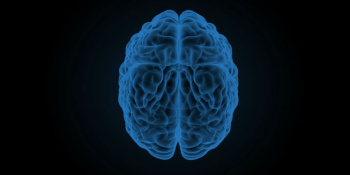
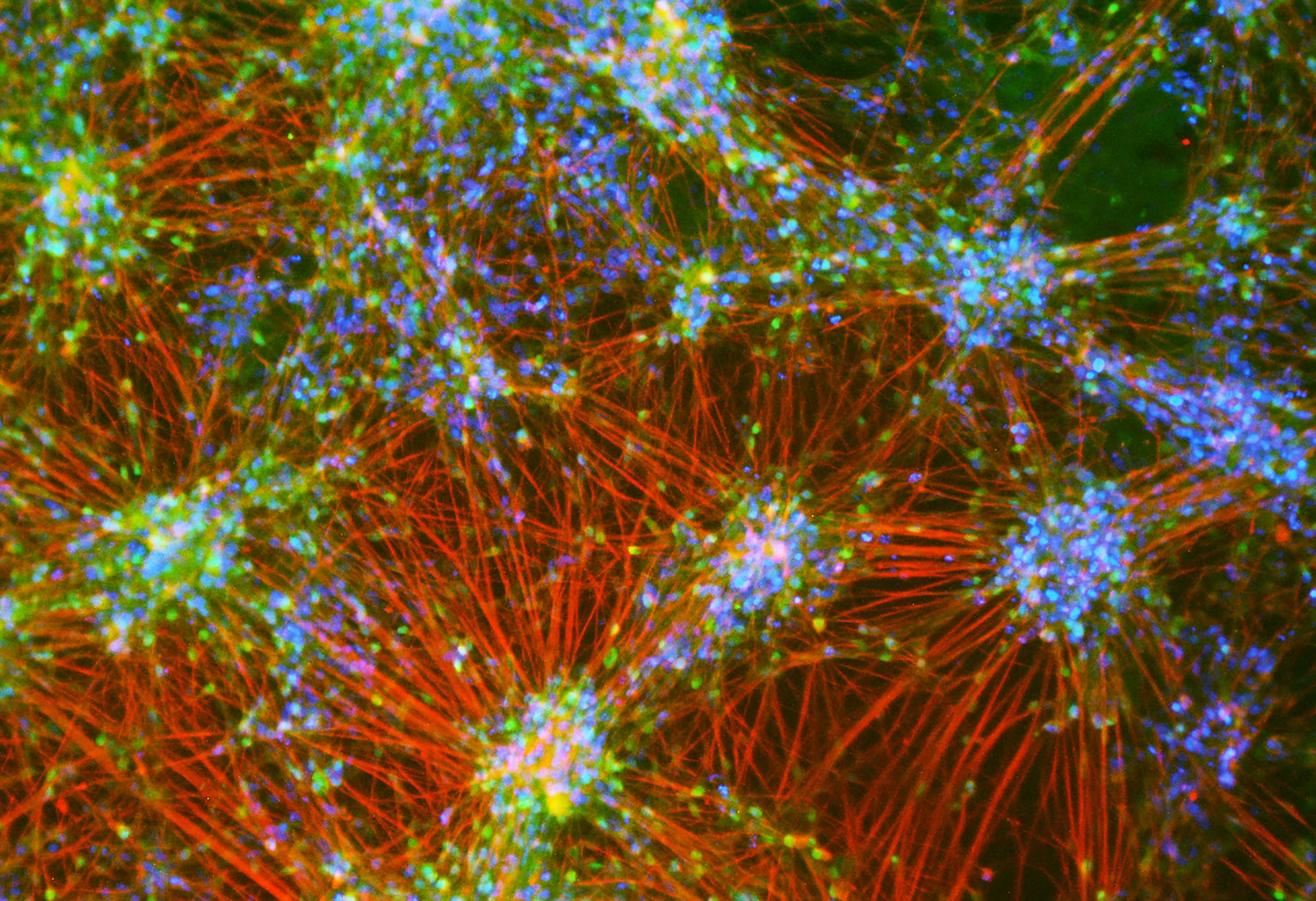
The human brain has around 100 billion neurons forming more than 100 trillion connections. It is the most complex known structure in the universe.
For generations, Cambridge has helped transform how we understand the brain. Our researchers and alumni have been recognised with eight Nobel Prizes. Yet many critical questions remain unanswered, and tens of millions of people worldwide live with serious neurological and mental health conditions. The need to understand their causes and develop better treatments has never been greater.
Transforming brain health
Medicine is advancing at extraordinary speed, and nowhere more so than in brain science. New insights from genomics, data science and computing are reshaping how we understand neurological and mental health conditions, and Cambridge researchers are at the centre of turning those insights into real clinical progress.
Recent research impact
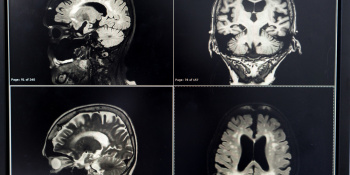
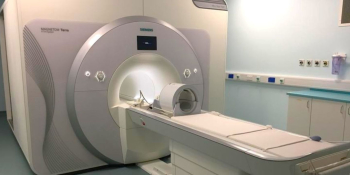
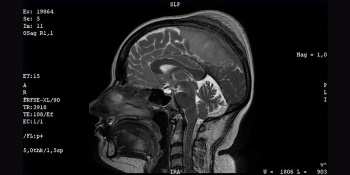
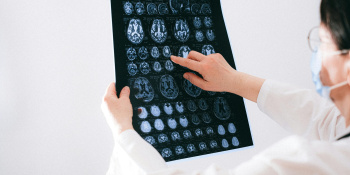
Researchers in Clinical Neurosciences are already delivering meaningful change for patients. Cambridge teams are developing blood tests that could help detect dementia earlier, using advanced brain imaging and data driven approaches to improve treatment for severe depression, and creating artificial intelligence tools that support faster diagnosis of stroke and neurological disease. Our scientists are also progressing gene and cell-based therapies for conditions such as Parkinson’s disease and rare inherited disorders. At the same time, digital technologies including wearable devices and remote monitoring platforms are helping people manage epilepsy and other long-term conditions more effectively. Working closely with NHS partners allows these discoveries to move more quickly from research settings into everyday patient care.
Read more about recent discoveries and breakthroughs in our 2025 Clinical Neurosciences impact report.
The scale of the challenge
1 in 4 people will experience a neurological or mental health condition during their lifetime. Around 57 million people worldwide are already living with dementia. These disorders affect quality of life and have profound consequences for individuals, families, carers and society.
From dementia and Parkinson’s disease to multiple sclerosis and traumatic brain injury, Cambridge researchers study how conditions develop at molecular, cellular and whole brain levels. The goal is to improve diagnosis, develop more effective treatments and transform long term care.
Why philanthropy matters
With world-leading strength in neuroscience and data science, Cambridge is uniquely placed to drive breakthroughs from laboratory discovery to clinical trials and into the community. Philanthropic support makes it possible to pursue bold ideas, attract outstanding researchers and accelerate progress that can change lives.
Next steps
You can donate online or to discuss your philanthropic goals or explore opportunities for collaborative investment, please contact:
Make a gift now
Make a gift now to support by credit or debit card, or set up a direct debit:
Give nowHead of Development, Brain and Mind Health
- Belen Tejada-Romero
- belen.tejadaromero@admin.cam.ac.uk